Illinois winters are brutal on vehicle paint. Road salt, brine, freeze-thaw cycles, and gravel from snowplows all attack your finish. Here is how to get through winter without destroying your paint.
How Illinois Road Salt & Winter Weather Damage Vehicle Paint in DuPage County
Does road salt permanently damage car paint?
If you have lived in Naperville, Wheaton, or anywhere in DuPage County for more than one winter, you already know what road salt does to cars. The Illinois Department of Transportation spreads salt and liquid brine on every major road from November through March. That brine gets kicked up into wheel wells, lower body panels, and door seams. It sits there, eating through clear coat, attacking rubber trim, and eventually reaching bare metal.
The freeze-thaw cycle makes it worse. Salt works by lowering the freezing point of water, which means it stays in liquid form longer and penetrates deeper into crevices. When temperatures drop overnight, that saltwater freezes and expands, forcing its way into microscopic gaps in the paint. Over repeated cycles, this causes clear coat failure, bubbling, and rust.
Gravel and sand from snowplows add physical damage. Every time a plow drops salt on I-88 or Route 59, it also drops abrasive material. That material gets kicked up by traffic and leaves fine chips in the paint, especially on the hood, front bumper, and lower doors. By spring, a car that looked fine in October can have visible damage across the front end.
Pre-Winter Car Detailing: The Best Defense Against Illinois Salt Season
Should I get my car detailed before winter in Illinois?
The single most effective thing you can do is get a full exterior detail with wax or sealant applied before the first snowfall. The detail removes any existing contaminants that salt could bond to, and the wax creates a sacrificial barrier that salt attacks instead of your clear coat.
We recommend booking this in late October or early November. By mid-November, the first salt applications are usually already down, and any vehicle that has been driven on treated roads needs decontamination before protection can be applied effectively. We see a rush of pre-winter bookings every year from customers in Warrenville and Lisle who learned this lesson the hard way.
How Often to Wash Your Car in Winter & What Products to Use
How often should I wash my car in winter in DuPage County?
A lot of people stop washing their cars in winter because it seems pointless. That is exactly the wrong approach. Salt is most dangerous when it is allowed to sit. A weekly wash during active salt season removes the buildup before it can bond permanently.
The key is washing correctly. Use a pH-neutral soap, not dish detergent. Wash from top to bottom so you are not dragging salt from the lower panels up onto the hood and roof. Pay special attention to wheel wells, rocker panels, and the underside of doors. These are the areas where salt accumulates and where rust starts.
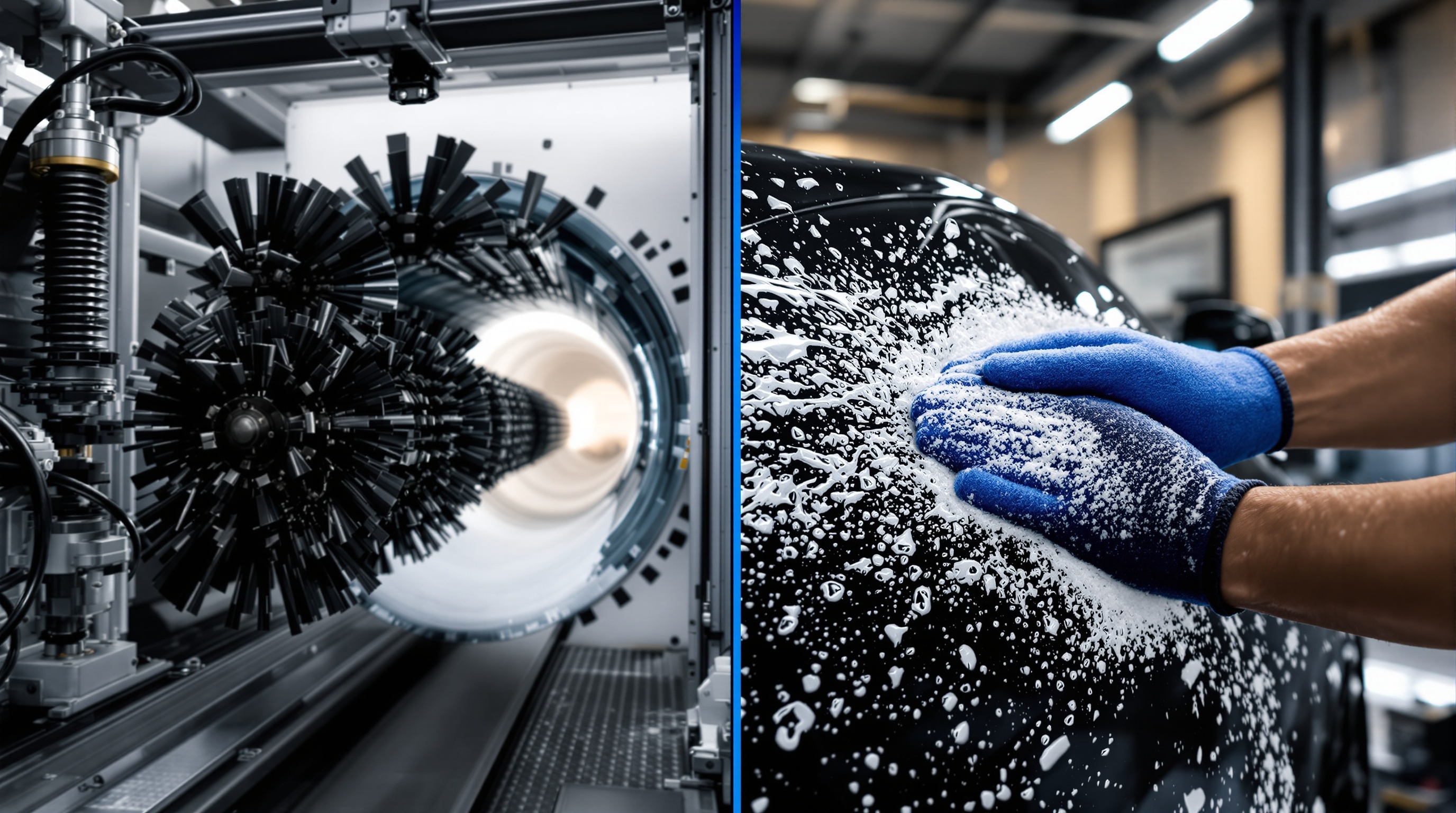
If you cannot wash at home, use a touchless car wash rather than a brush wash. The brushes in automated washes are loaded with grit from other vehicles and will scratch your paint. A touchless wash is not perfect, but it removes salt without adding swirl marks.
Post-Winter Paint Recovery: Spring Detailing & Decontamination in Naperville
What should I do to my car after an Illinois winter?
By April, every vehicle in DuPage County needs a thorough post-winter detail. Salt residue hides in panel gaps, under trim, and inside wheel wells. A standard wash will not reach it. We use a full decontamination process including clay bar treatment, wheel well deep cleaning, and undercarriage rinse to remove every trace of winter damage.
This is also the best time to assess whether the paint needs correction. If you see hazing, swirl marks, or etching that was not there in the fall, winter is the cause. A spring detail with paint correction restores the finish and prepares the vehicle for summer UV exposure.
For vehicles that see daily winter commuting on I-355 or I-88, we typically recommend a maintenance detail every 6 to 8 weeks during salt season and a full recovery detail in April. It sounds like a lot, but the cost of regular maintenance is a fraction of the cost of repainting panels or dealing with rust repair. If you want to start with the right protection before winter hits, our exterior detailing service includes everything needed to build a proper defense against Illinois road salt.
If you are ready to take the next step with your vehicle, check out our exterior detailing service and see how we can help protect your investment.
Frequently Asked Questions
How do I protect my car's paint from road salt in Illinois?
Get a pre-winter exterior detail with wax or sealant protection. Wash weekly during salt season using pH-neutral soap. Focus on wheel wells and lower panels. Park in a garage when possible. Schedule a post-winter decontamination detail in spring.
How often should I wash my car in winter?
During active salt season in DuPage County, wash your vehicle weekly. Salt is most damaging when allowed to sit and bond. A weekly wash removes buildup before it causes permanent damage.
Does road salt permanently damage car paint?
Yes, if left untreated. Road salt and brine corrode clear coat over time, leading to oxidation, bubbling, and eventually rust. Regular washing and seasonal detailing prevent this damage.
More Car Care Resources
What Is the Difference Between a Car Wash and Car Detailing in Naperville, IL?
Read MoreHow Long Does a Car Detail Take? A Realistic Timeline for DuPage County Drivers
Read MoreIs Ceramic Coating Worth It for Illinois Weather? What Naperville Drivers Should Know
Read MoreReady to Book a Detail?
We serve Naperville, Warrenville, Lisle, Woodridge, and Wheaton. Mobile detailing that comes to your home or office anywhere in DuPage County.
Get Free Quote